

FREE INSULATION GRANT
FREE INSULATION GRANT
INTRODUCTION:
The Energy Company Obligation Phase 4 (ECO4) is one of the largest governments funded programs, aimed at addressing fuel poverty and improving energy efficiency in homes in the UK. ECO4 (running from April 2022 to March 2026) imposes a statutory obligation on larger energy suppliers to provide energy efficiency measures and whole house-based solutions to eligible households. The two takeaways are that the most valuable measure available under this program is free insulation, which covers loft, cavity wall, solid wall, underfloor and room-in-roof insulation.
For households where costly energy bills are a problem or people are suffering in cold, gas guzzling homes, ECO4 presents an important means by which they can move forward and access the improvements that would significantly improve their living conditions without having to pay upfront. This article covers how the scheme operates, who is eligible, what insulation the funds can cover, applying for funding, what you might get and much more. A comprehensive FAQ is at the end for clarity.
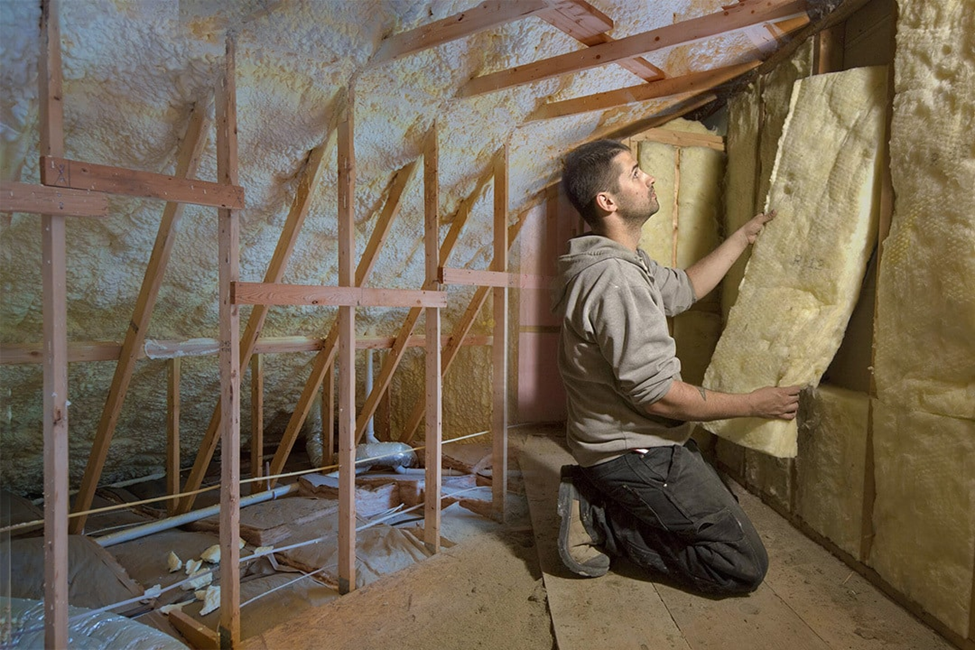
TYPES OF INSULATION COVERED UNDER ECO4
Depending on the demands of the home, a variety of insulating methods can be funded by the ECO4 initiative. Among them are:
Loft Insulation
One of the fastest and most economical improvements is to stop heat from leaking via the roof.
Cavity Wall Insulation
It reduces heat loss through external walls and is appropriate for homes with cavity wall construction.

Internal / Solid Wall Insulation
Thermal efficiency is greatly increased when used in older homes with solid walls.
Room-in-Roof Insulation
Perfect for attic bedrooms or converted loft spaces.
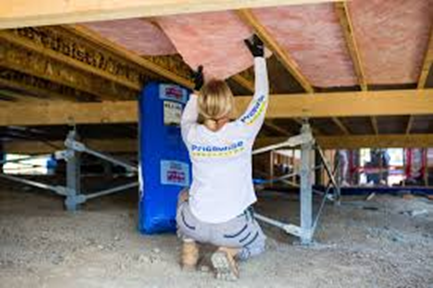
Underfloor Insulation
It enhances the warmth of homes with suspended flooring.
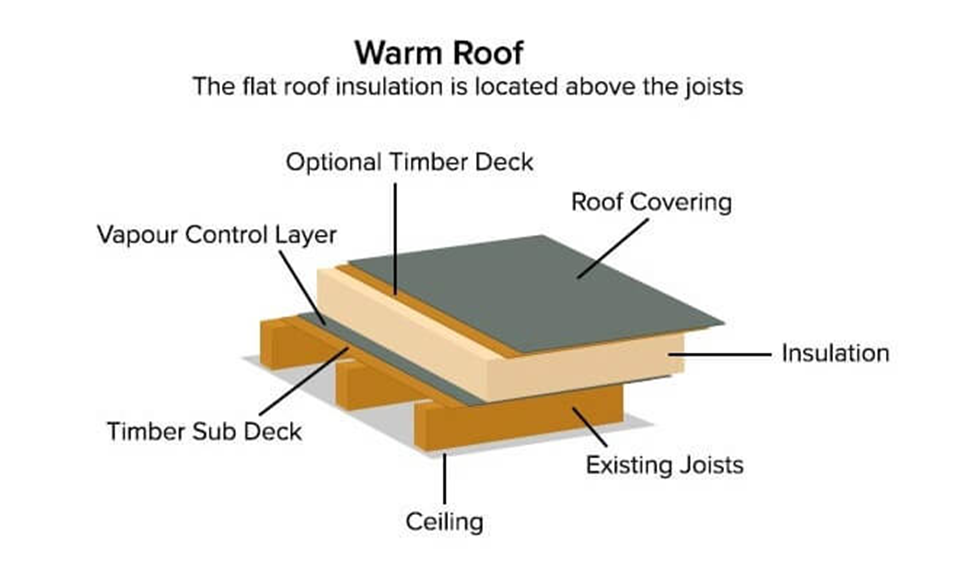
Flat Roof or Park Home Insulation
It is used on specialty property types with considerable heat loss. A surveyor’s evaluation will determine the precise actions that are advised.
ELIGIBILITY CEITERIA FOR ECO4 INSULATION GRANTS
To qualify for free insulation under ECO4, households must meet specific criteria related to income, benefits, and property characteristics.
Benefits-Related Eligibility
Households that receive any of the following means-tested benefits may be eligible:
- Tax Credit for Children
- Pension Credit
- Working Tax Credit,
- Job Seeker Allowance (JSA)
- Income Related Employment or Support Allowance ESA,
- Income Support
- Pension Credit Guarantee Credit
- Universal Credit
- Warm Home Discount Scheme Rebate etc.
EPC & Property Requirements
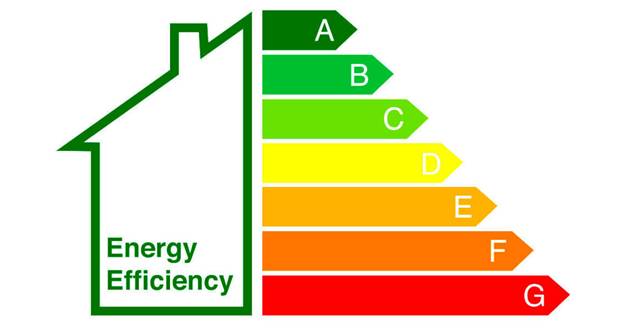
- The property typically requires an EPC rating of D, E, F, or G, which denotes inadequate energy efficiency.
- Houses must be privately rented (with the landlord’s approval) or occupied by the owner.
- Although it usually follows separate systems, social housing may be eligible in some situations.
ECO4 Flex Pathway
If a household has been classified as low-income or vulnerable by their local government, they can still be qualified for ECO4 Flex even if they are not receiving assistance. A “Statement of Intent” defining Flex eligibility is published by councils, and it may include:
- Low-income households that are above benefit thresholds
- Homes at risk of fuel poverty
Access to ECO4 funding is significantly expanded by this method.
HOW THE APPLICATION WORKS
Generally speaking, applying for an ECO4 insulating grant is simple. Most suppliers use a similar process:
Step 1: Initial Eligibility Check
Applicants complete a short online or telephone questionnaire confirming income, benefits, household details, and property type.
Step 2: Verification & Survey Booking
If eligible, a consultant calls the application to check details and organize a free home energy survey.
Step 3: Home Energy Assessment
A skilled surveyor inspects the property, analyzing insulation levels, heating systems, and energy performance. This determines which measures are required.
Step 4: Offer & Approval
The vendor proposes a personalized bundle of insulation upgrades. If the applicant accepts, the installation is planned.

Step 5: Installation of Insulation
Accredited installers (typically Trustmark-registered) execute the task. For qualified households, there are no upfront charges.
Step 6: Post-Installation Documentation
Applicants receive warranties, compliance certificates, and updated EPC documents when required.
BENEFITS OF FREE INSULATION UNDER ECO4
Lower Energy Costs
Because insulation reduces heat loss and energy consumption, it can save homes hundreds of pounds every year.

Enhanced Comfort at Home
A home with enough insulation remains cooler in the summer and warmer in the winter.
A rise in the value of properties
Better EPC ratings and greater appraisals are typically associated with energy-efficient properties.

No Up-front Fees
Installation is totally financed by the program for qualified homes.

Advantages for the Environment
Reduced energy use helps achieve national environmental goals by lowering carbon emissions.
Fit for a Variety of Properties
ECO4 offers solutions that can be tailored to various construction types, from contemporary residences to older structures.
RISKS AND CONSIDERATIONS
Regarding the advantages of ECO4, applicants should be aware of any issues that may arise:

Variations in quality
Always select installers who have been accredited by Trustmark or comparable organizations.
Scams
Steer clear of businesses that demand advance payments or cold calls.
Funding constraints
ECO4 has a time limit and may run out of money in some places.
Landlord permission: Permission from the landlord is necessary for residences that are privately rented.
Survey results
Selections are based on technical suitability; not all measures suggested by applicants may be accepted.
FREQUENTLY ASKED QUESTIONS (FAQs)

Under ECO4, is insulation truly free?
Indeed. If your home needs insulation and you fit the eligibility requirements, obligated energy suppliers will pay for it in full, with no up-front or additional costs.
Do I have to get benefits in order to be eligible?
Not all the time. ECO4 Flex enables low-income households (without benefits) to apply through the local authority method, however many applicants qualify through benefit-related eligibility
Will I have to present documentation of my earnings or benefits?
Indeed. To verify eligibility, providers typically require supporting paperwork, such as benefit statements or proof of income.
Are private tenants eligible to apply?
Yes, but the installation needs the landlord’s approval.
What is the duration of the procedure?
Depending on provider capacity and kind of property, the process usually takes two to eight weeks from initial inspection to installation.
Are boiler replacements covered by the plan?
Yes, but only in certain circumstances. Heating enhancements may be included where necessary, but insulation and general home energy performance are the main focus of ECO4.
Will my EPC rating increase with insulation?
Nearly every time. Among the best strategies to raise EPC scores are loft and wall insulation.
What happens if there is already any insulation on my property?
The surveyor will evaluate if the current insulation satisfies modern requirements. Improvements might still be financed if they are required.